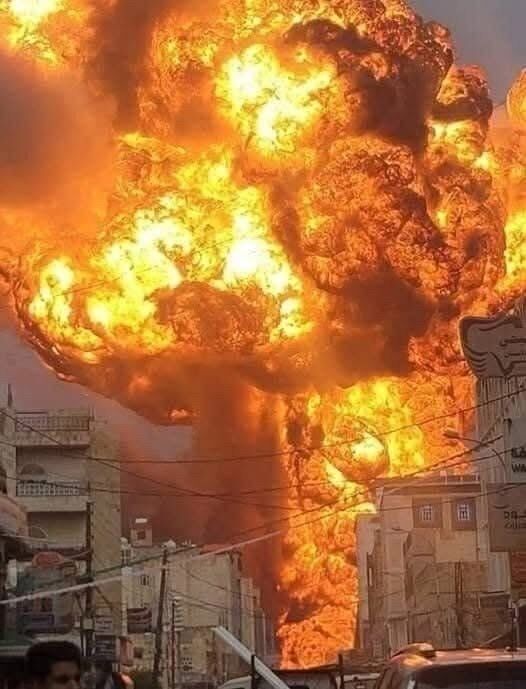
San Juan de Miraflores, a sprawling district in southern Lima, was shaken on Saturday afternoon when a large and fast-moving fire erupted in the Pamplona Alta sector, an area known for its steep hillsides and dense concentration of self-built housing. The first signs of danger appeared as a column of dark smoke rose above the neighborhood, visible from multiple districts across the city. Residents quickly realized the seriousness of the situation as flames leapt from rooftop to rooftop, fueled by strong winds and the highly combustible materials used in many of the homes. Wooden beams, plastic sheets, cardboard partitions, and improvised electrical connections created conditions in which the fire could spread with alarming speed. Families rushed into the streets carrying children, elderly relatives, and whatever belongings they could grab in a matter of seconds. Many attempted to fight the fire themselves using buckets of water, hoses, and even blankets, but the intensity of the flames soon made these efforts futile. Panic mixed with disbelief as people watched years of work and sacrifice consumed by fire, while the smoke thickened and sirens began to echo through the narrow passageways of the hillside settlement.
The geography and urban layout of Pamplona Alta significantly complicated the emergency response. The neighborhood is characterized by labyrinth-like stairways, narrow dirt roads, and tightly packed homes built along steep inclines, making access extremely difficult for emergency vehicles. Fire engines struggled to reach the heart of the blaze, forcing firefighters to deploy hoses from distant access points and carry heavy equipment on foot up the hills. Peru’s volunteer fire brigade mobilized units from several districts, and police officers were dispatched to help secure the area and assist with evacuations. Despite these efforts, the fire continued to advance for hours, driven by wind gusts that sent embers flying into nearby structures. Emergency sirens, shouted warnings, and the crackling sound of burning materials filled the air as crews worked under intense pressure. Authorities attempted to establish water supply lines, but limited hydrants and low water pressure in some areas slowed suppression efforts. Even so, firefighters persisted, forming human chains to move hoses and equipment, determined to prevent the flames from spreading into neighboring sectors that housed thousands more residents.
As the afternoon turned into evening, preliminary damage assessments began to emerge, though officials cautioned that the numbers were still fluid. Initial reports suggested that dozens of homes had been damaged or destroyed, but later estimates from local authorities and fire officials indicated that the true figure could exceed one hundred structures, with some projections eventually reaching as high as several hundred affected homes. Hundreds of residents were displaced, many left standing in shock as they watched firefighters battle the blaze near what had once been their homes. Thick smoke caused breathing difficulties for some residents and responders, leading to several cases of smoke inhalation that required medical attention. Ambulances transported vulnerable individuals, including children and older adults, to nearby health centers as a precaution. Throughout the district, schools, community centers, and open spaces were identified as temporary gathering points for those who had nowhere else to go. Volunteers and neighbors from surrounding areas arrived with water, food, and clothing, offering immediate relief as the scale of the disaster became increasingly clear.
By nightfall, authorities announced that the fire had been confined, meaning that it was no longer spreading uncontrollably to new areas. This announcement brought a measure of relief, but the danger was far from over. Firefighters continued working late into the night, focusing on extinguishing remaining hot spots and cooling down smoldering debris to prevent flare-ups that could reignite the blaze. The hillside terrain, combined with lingering winds, made this phase of the operation particularly challenging. Crews carefully inspected damaged structures, some of which were at risk of collapse, while ensuring that no residents reentered unsafe areas. The glow of emergency lights illuminated the smoke-filled streets as exhausted firefighters rotated shifts to maintain control of the scene. Meanwhile, displaced families settled into temporary shelters, many sitting on blankets or makeshift bedding, trying to comfort children who were still shaken by the chaos of the afternoon. For many, the reality of what had been lost only began to sink in as the flames subsided and the night grew quiet.
In the hours following containment, officials revealed a troubling detail that may help explain the fire’s rapid escalation. Authorities reported that the blaze appeared to have reached a clandestine fireworks or pyrotechnics workshop operating illegally within the residential area. According to investigators, the presence of stored fireworks, chemicals, and related materials could have intensified the flames and contributed to small explosions that were heard and recorded by residents during the height of the fire. Videos circulating on social media showed bursts of light and loud popping sounds, fueling speculation and fear among the community. Fire officials stated that this location was being treated as a likely point of origin, though a full investigation would be required to determine the exact cause. The discovery has reignited concerns about illegal and dangerous activities operating within densely populated neighborhoods, where a single spark can trigger catastrophic consequences. Authorities emphasized that such operations pose a severe risk not only to those directly involved but also to entire communities living nearby, especially in areas with limited infrastructure and emergency access.
As attention shifts from immediate response to recovery, the humanitarian impact of the Pamplona Alta fire remains profound. Municipal and national authorities have begun assessing structural damage to determine which homes can be repaired and which are beyond saving. Social workers are registering affected families to coordinate assistance, including temporary housing, food support, and basic necessities. Community leaders have called for long-term solutions that go beyond emergency aid, urging investment in safer housing, improved access roads, reliable water infrastructure, and stricter oversight to prevent illegal activities that endanger residents. The fire has once again highlighted the vulnerabilities faced by informal settlements across Lima, where rapid urban growth has often outpaced planning and safety measures. For the families of Pamplona Alta, rebuilding will be a long and difficult process, marked by uncertainty and loss. Yet amid the devastation, acts of solidarity and resilience have emerged, offering hope that, with sustained support and meaningful policy changes, the community can recover and reduce the risk of similar tragedies in the future.