If you are still getting the hang of how complicated emotions can be, this is a good reminder that feelings often overlap in strange ways, and reacting to them sometimes adds another layer of chaos.
But that blend of messy reactions and powerful feelings is also part of what makes the human experience so unique.
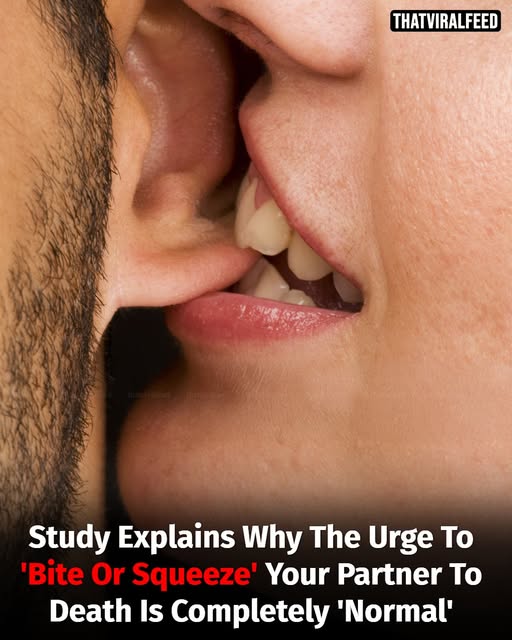
This reaction happens when something feels so cute or so overwhelmingly wonderful that you want to pinch it, squeeze it, or even bite it, sometimes with a surprising level of intensity. The description may sound odd, but many people recognize the feeling instantly.
What seems like a bizarre response actually has a scientific explanation, and experts say it does not mean anything is wrong with you. They have made it clear this reaction is not a sign of being dangerous or unbalanced.
Speaking to Phys.org, Aragon explained that she has spent more than ten years studying what researchers call “dimorphous expressions,” which are emotional responses that appear contradictory on the surface.
She said: “Those strong feelings are welling up in us, and we are displaying something that’s the opposite of care and affection.”

A 2021 study she worked on found that more than 75 percent of participants had cried tears of joy at some point in their lives, which is one example of this kind of mixed emotional expression. Other reactions may be less common, but they still fall within the range of normal behavior, even when they look aggressive.
She explained that the urge to bite, pinch, punch, or squeeze something adorable may look forceful, but the person feeling it has no intention of hurting anyone or anything.
“And some people don’t do them at all. The person who cries at a wedding is more likely to be the person who pinches the baby’s cheeks and also more likely to be the person who would playfully bite a lover.”

She added that many people take steps to make sure others do not misunderstand their strong reactions, especially when the behavior could easily be misread.
Aragon said: “I know from my work with tears of joy, people who do a dimorphous expression who are around others who don’t or who are not dimorphously expressing will actually explicitly say, ‘These are happy tears. These are happy tears.”