Showering is a regular part of most people’s daily routine, providing a sense of freshness, cleanliness, and relaxation. While it’s widely considered a healthy hygiene practice, there can be surprising consequences when done excessively, incorrectly, or without proper care. Like many habits, balance is key—and overdoing even something as simple as showering can lead to unexpected effects on your body and skin.
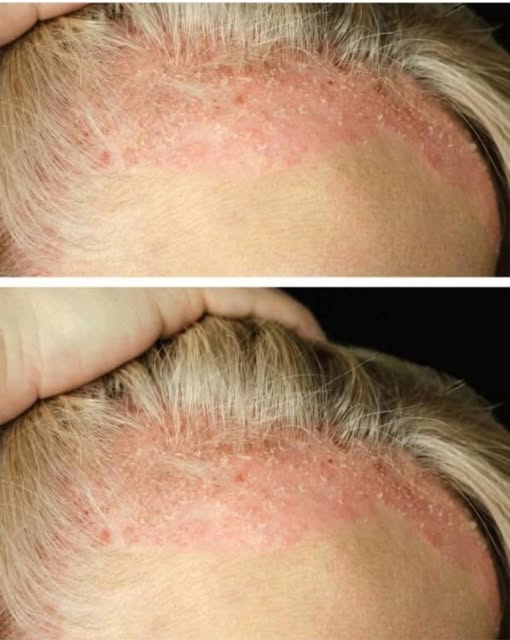
One of the most common consequences of showering too frequently—especially with hot water—is dry and irritated skin. Hot showers strip the skin of its natural oils, leaving it more vulnerable to dryness, itchiness, and flaking. This can be even more severe for people with sensitive skin or conditions like eczema. Over-cleansing the skin also disrupts the natural barrier that helps protect against environmental irritants and bacteria.
Another lesser-known issue is the impact on your hair and scalp health. Washing your hair too often can cause the scalp to become dry, leading to dandruff or increased oil production as the skin tries to compensate. The result? Hair that’s either brittle and damaged or greasy and difficult to manage—neither of which is ideal.
Lastly, excessive showering—especially in shared or public spaces—can expose the body to bacteria, fungi, or even chemicals in water that might not be skin-friendly. It’s important to maintain good hygiene, but it’s equally important to let your skin breathe and recover naturally. Remember, moderation matters—even in the shower.
1. Weakened immune function in the skin
Your skin hosts a diverse ecosystem of beneficial bacteria, fungi, and microbes (the skin microbiome) that train your immune system and defend against harmful pathogens. Daily scrubbing with harsh soaps or antibacterial products can wipe out these good microbes, similar to how overuse of antibiotics creates resistant superbugs. Studies have shown that people who shower less frequently (every 2–3 days) tend to have more diverse and resilient skin microbiomes than daily (or twice-daily) showerers.
2. Increased risk of cracks and infections
When natural oils are repeatedly stripped away, microscopic cracks can form in the skin—especially on the heels, hands, and shins. These tiny fissures become entry points for bacteria such as Staphylococcus aureus, potentially leading to folliculitis, cellulitis, or even MRSA infections. Dermatologists regularly see patients who developed stubborn infections simply because they were “too clean.”
3. Worsened allergies and asthma
Long, steamy showers turn your bathroom into a mold incubator. The combination of heat, humidity, and poor ventilation encourages mold and mildew growth in grout, curtains, and corners. Breathing in mold spores daily has been linked to increased allergic reactions and asthma flare-ups. Paradoxically, the cleaner you try to be, the more you may expose your lungs to allergens.
4. Disrupted body temperature regulation
Frequent hot showers can impair your body’s natural ability to regulate temperature. Over time, blood vessels become accustomed to artificial heat, making you feel colder when you step out and more sensitive to normal temperature changes. Some people notice they start shivering excessively or feel chronically cold once they try to cut back on long hot showers.
5. Higher water and energy footprint (and skin aside)
The average shower uses 17–20 gallons of water. Showering twice a day, every day, means one person can easily use over 30,000 gallons a year—just for showering. Add in the energy to heat that water and the environmental impact becomes significant. Many dermatologists now say that, for most people in temperate climates, showering 3–4 times a week is perfectly sufficient for both hygiene and social acceptability.
6. Paradoxical body odor
Over-showering can actually make you smell worse in the long run. When you strip away all oils and bacteria, the few surviving odor-causing bacteria that repopulate rapidly in an “empty” environment, often leading to stronger body odor within hours. People who switch to less frequent showering often report that their natural odor becomes milder and more stable.
How often should you actually shower?
Most dermatologists now recommend:
- Full showers with soap: 3–4 times per week (or daily only on workout days or if you get visibly dirty/sweaty)
- In between: a quick rinse with water only, or “bird bath” with a washcloth on armpits, groin, and feet
- Hot water: keep it under 5–10 minutes and not scalding (warm is better)
- Soap: use only where you really need it (armpits, groin, feet); the rest of the body usually cleans itself fine with just water
The bottom line: your body is remarkably good at keeping itself clean when you stop fighting it. Sometimes the healthiest thing you can do is close the bathroom door, skip the shower, and let your skin do what it evolved to do for hundreds of thousands of years.