Strange Bumps After Staying in an Old Apartment: What They Might Mean and How to Handle Them
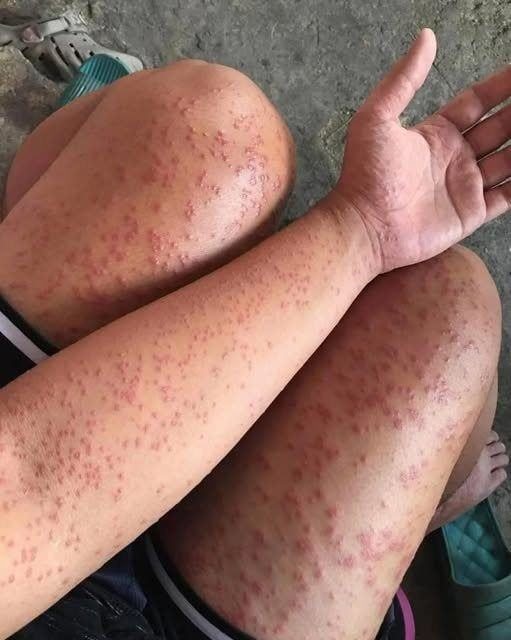
Staying for a few nights in a friend’s old apartment usually doesn’t seem risky. Most people assume a temporary stay is harmless, especially if the space appears clean. However, waking up with unexpected skin bumps shortly after sleeping there can be worrying. These bumps often show up overnight, sometimes in clusters, and may be itchy or uncomfortable enough to interrupt daily life.
Situations like this are more common than many realize, especially in older or rarely used apartments. While these reactions are usually not serious, they can signal exposure to something in the environment that deserves attention. Understanding why they appear, what might be causing them, and how to respond calmly can help reduce anxiety and prevent future problems.
Why the Bumps Often Appear Overnight
One confusing aspect of these skin reactions is their timing. Many people go to bed feeling completely fine and wake up with visible bumps the next morning. Because of this delay, people often assume the cause is food, stress, or something encountered outside.
In reality, the sleeping environment is often the more likely trigger. During sleep, the body stays still for long periods, leaving exposed skin—such as the arms, legs, neck, or shoulders—more vulnerable to irritation or insect activity. The immune system may take several hours to react, which explains why redness and itching typically appear after waking rather than during the night.
Common Environmental Causes
Older apartments, particularly those that have been vacant or lightly used, may contain hidden irritants even when they look clean at first glance.
Insects are one of the most common concerns. Some pests are active mainly at night and can remain hidden during the day. Their presence often goes unnoticed until the skin reacts.
Dust mites can also play a role. Although they don’t bite, they thrive in bedding, carpets, and upholstered furniture. People with sensitive skin or allergies may develop itching or small bumps after exposure that look similar to insect bites.
Mold exposure is another possibility, especially in spaces with poor ventilation or past water damage. Mold may not always be visible, but spores can still cause skin irritation in some individuals.
Chemical residues from old cleaning products, pest treatments, or building materials may also irritate the skin, particularly after prolonged contact during sleep.
Why Reactions Vary From Person to Person
Skin reactions don’t look the same for everyone. Some bumps fade quickly, while others linger or become more inflamed. Scratching is a major reason reactions worsen, as it increases irritation and can delay healing.
Sensitivity levels also differ widely. Two people can sleep in the same room and have completely different experiences. Those with allergies, eczema, or naturally sensitive skin are often more likely to react strongly.
Looking for Patterns
It’s easy to jump to conclusions, but observing patterns can help identify the cause more accurately.
-
Bumps appearing mainly after sleep often suggest something in the sleeping environment.
-
Reactions on exposed areas of skin may point toward environmental triggers.
-
Small clusters or repeated patterns can be a helpful clue, though they are not always consistent.
If the bumps improve after leaving the apartment and don’t return, this strongly suggests the environment was the source.
What You Can Do Right Away
If you notice unexplained bumps, start with gentle skin care:
-
Wash the affected area with mild soap and lukewarm water
-
Avoid scratching, even if itching is strong
-
Apply cool compresses to reduce discomfort
-
Wear loose, breathable clothing
-
Stick to familiar, non-irritating skin products
It’s also a good idea to wash clothing worn during your stay and shower after returning home to remove possible irritants or allergens.
Preventing Future Reactions
When staying in older or unfamiliar spaces, a few simple precautions can help:
-
Quickly inspect the mattress and bedding
-
Check for dust, dampness, or obvious signs of pests
-
Use personal sleepwear or bedding if possible
-
Keep luggage away from the bed until clothes are washed
These small habits can significantly reduce skin contact with potential irritants.
When to Seek Medical Advice
Most mild skin reactions clear up within a few days. However, professional medical advice is recommended if:
-
The bumps become painful
-
Redness or swelling spreads
-
Signs of infection appear
-
The reaction does not improve over time
A doctor can help determine whether the issue is related to irritation, allergies, or another skin condition and provide proper treatment if needed.
Final Thoughts
Your skin often acts as an early warning system, reacting to environmental changes before other symptoms appear. Strange bumps after staying in an old apartment can feel unsettling, but in most cases they are temporary and manageable.
Common triggers include insects, allergens, or lingering irritants in the environment. By responding calmly, caring for your skin, and taking simple preventive steps, most people recover quickly and avoid repeat problems.
Listening to your body and taking practical precautions can help ensure that a short stay doesn’t turn into a lasting concern.